

How Can I Clean Up Acracked And No Clear Coat Root On My Toyota
The carnage inflicted by COVID-xix goes well beyond filled infirmary beds, or the interruptions in the lifestyles we humans hold so dear. All told, global vehicle production was down a whopping 20% across the lath in 2022. Fractured supply bondage, low customer demand, shaky economies, and poorly orchestrated solutions all made for one hell of a rough year for automakers.
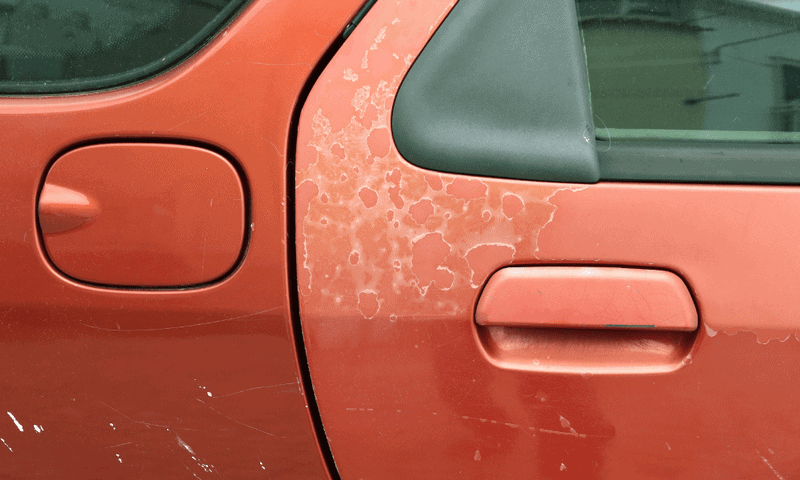
Just long earlier the COVID-19 shit-tempest, another kind of infliction was eating away at the automotive manufacture, and in that location is no vaccine for this disease. For many, peeling clear coat appears to exist niggling more than an unsightly surface blemish. A "pare-deep" disease brought on by harmful UV rays, acids contained within bird turds and bug splatter, and the harmful side effects of acid pelting.
If left unprotected, a factory-applied articulate blanket tin can begin to deteriorate within as niggling every bit but a few months, allowing ample room for all manner of contaminant to consume into the paint underneath. And then while a clear coat'due south job is to protect the base coat of paint from direct exposure to the elements, allowing this sacrificial lamb to be slaughtered is both foolish and financially irresponsible.
Only even with swell intendance, and a protective roof overhead, no vehicle is rubber from clear glaze impairment, which leads one to ponder a series of questions.
Is a DIY approach fifty-fifty an option in this sort of scenario? Or is attempting to set up damaged clear coat something all-time left to the pros? And if you lot can fix a compromised clear glaze on one's ain, what all is required in regard to supplies and repair techniques?
Today, we'll answer these questions, and explain a few facts about clear coats that correlate to how they work, types of damage they are susceptible to, and the nigh effective DIY methods for repairing a peeling articulate coat on one's own.
Breaking Down the Facts About Automotive Clear Coatings
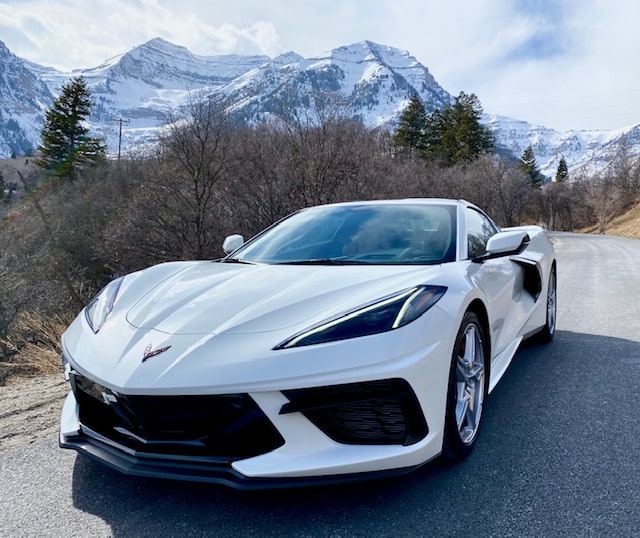
From an ingredients standpoint, automotive articulate coat is well-nigh completely identical to pigmented paint, considering the only thing missing, is, well… paint. All of the aforementioned solvents, fillers, resins, additives, hardeners, and so on are all still present, which means most modern articulate coats are piddling more than a transparent urethane "topping." Acrylic enamels, on the other hand, are what y'all will find on vintage painted vehicles, which do not crave a hardener to office, but are far more susceptible to wear-and-tear.
Speaking of wearable-and-tear, in that location's a common misconception that all articulate coats rely upon polymers for protection against UV rays and airborne contaminants. This is both true and false.
While polymers practise help prevent harmful elements from penetrating the pigmented base coat paint underneath, information technology tends to take one hell of a beating in the procedure. If articulate coat is the epidermis of an automobile, then the paint and the primer underneath is the hypodermis, with the bare metal and plastic below it all existence tissue and bone.
Much like the man body, extended exposure to harmful UV rays, edgeless impacts, sharp scratches, and corrosive chemicals volition somewhen cause the clear coat to fail. At that place's a reason why nosotros slap-on sunblock, strap-on a helmet, and stuff gloves on our easily, and the same goes for our car's clear coats. Waxing, sealants, paint protection films (PPF), vinyl wraps, and our personal favorite, ceramic coatings, all serve as a form of protection for your vehicle's painted panels. But what happens when this "automotive armor" doesn't cut the kimchi, and the clear coat underneath gets damaged?
Quick Nerd Notation: Clear coat non only provide protection to the car'south paint, but they also make repairs and maintenance far easier. These colorless paints also add together gloss and depth to the car'south finish, and are available in a broad array of sheens and strengths.
What Happens When a Clear Coat Becomes Damaged?

Oh-Shit… Scratches
Modern automotive clear coatings may be more resilient than e'er, merely they are still far from invincible. While these colorless coatings do indeed help reduce the risk of things like oxidation from forming, they are prone to scratching, and therefore crave occasional pigment correction.
Only paint correction contains its ain risks besides, for those polishing/cutting compounds can damage the clear coat faster than yous can say, "Please laissez passer the penicillin." So be wary when attempting to repair an automotive pigment scratch on your own, considering if you aren't careful, you may practise more harm than proficient.
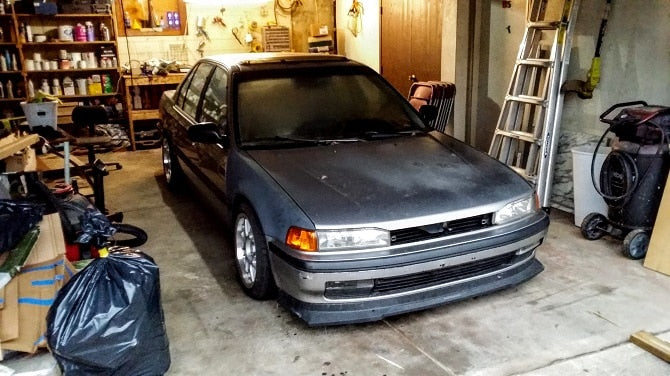
Feeling a Fleck… Faded?
Clear coats are as well susceptible to fade, which often is the direct result of extended amounts of exposure to direct sunlight, and the implementation of improper automobile cleaning methods. Not only does the employ of pH-heavy products similar dish soap eat-up a clear coat faster than a tiny Japanese dude at a hot canis familiaris eating contest, merely surface contaminants besides brand their oxidizing marking.
Everything from organic animal excrement and tree resin, to man-made chemicals and airborne pollution are quick to fuck-upwards a perfectly good articulate glaze. When this oxidation occurs, the terminate volition become foggy, or faded, causing the paint underneath to appear deadening.
Quick Nerd Annotation: The areas about prone to scratch damage include the roof, hood, doors, and front-end of the vehicle, including the bumper, grille, and fenders.
What Causes Articulate Glaze Peeling?
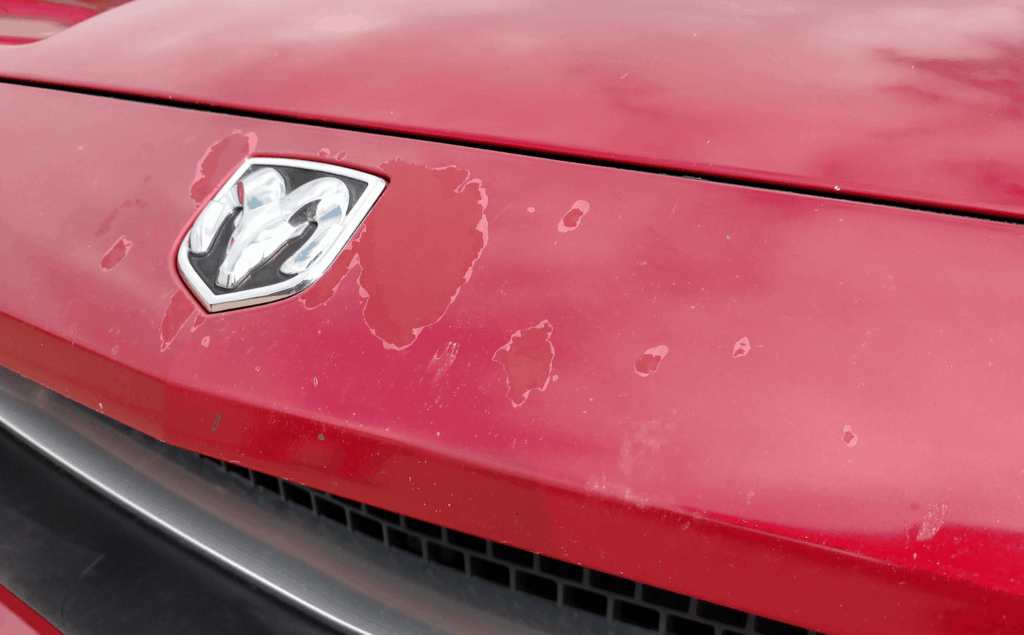
When a automobile'south clear coat begins to pare, the majority of the time information technology is due to piss-poor automotive detailing routines (or none whatever), exposure to the elements, and contact with harsh chemicals and cleaning agents. While there are numerous other causes of clear glaze peel, the post-obit three offenders are the virtually common causes backside peeling paint jobs.
i. Extreme Weather
Photograph Credit: Milwaukee Journal Sentinel/Facebook
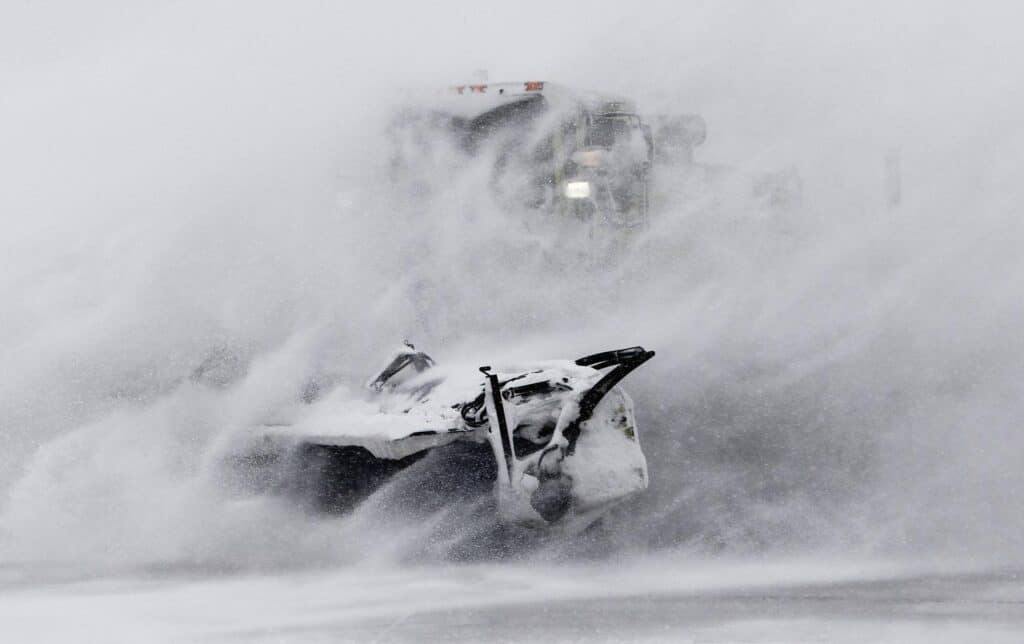
Clear coat peeling is oftentimes the direct result of extended exposure to extreme weather, particularly when a wintry mix is the master suspect. Extreme cold has been known to cause older clear coats to get brittle, while straight-line wintry winds are notorious for slinging all manner of annoying debris up confronting body panels. Meanwhile, corrosion comes into the equation courtesy of road salt, while hale, sleet, and various other forms of unpleasant atmospheric precipitation attach to surfaces. Try and scrape them off, and ZINGO! you've only scratched and peeled away a fat piece of that oh-so crucial automotive articulate coat.
ii. UV Rays
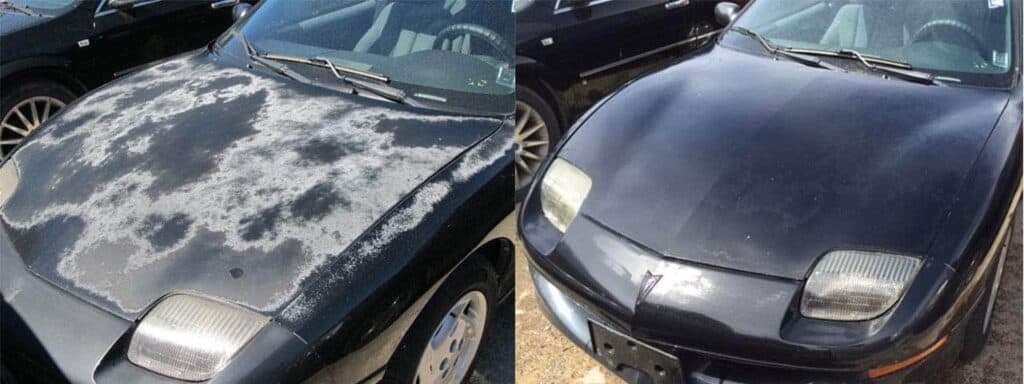
Oxidation, which ofttimes leads to peeling clear glaze, is typically the direct result of prolonged periods of exposure to UV rays. Every bit these harmful rays from our lord's day begin to penetrate the clear glaze, the protective layer begins to harden, or dry-out, and then as it lifts from the surface, it gradually begins to flake away. On the vivid side, if caught early enough, oxidation can be halted and reversed, thus preventing potential damage from occurring to the pigmented undercoatings underneath.
3. Harsh Chemicals and Household Cleaners
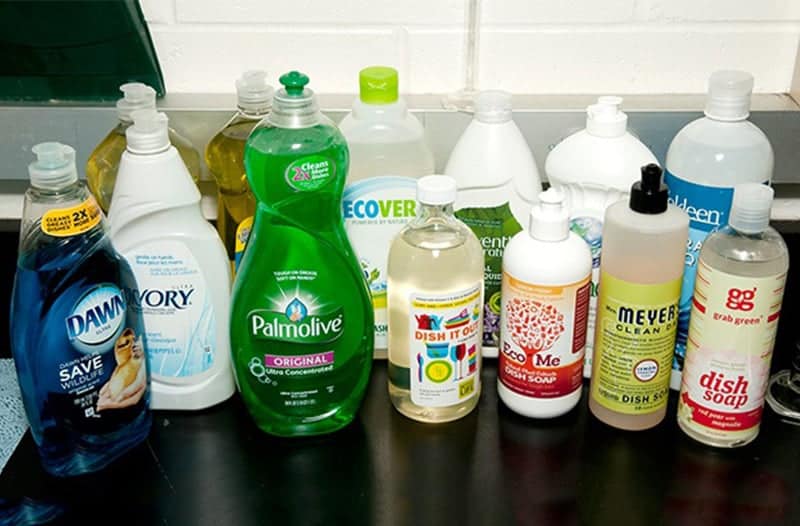
The final attack on car clear coats, is probably the virtually hands avoidable. Harsh cleaning chemicals and ordinary household cleaners are the bane of any automotive clear coat. For as resilient as a clear glaze may exist, they are quick to succumb to scrubbing and disinfecting products with crazy high pH levels, too as alkali metal-rich chemicals. In that location's a actually good reason why automotive specific shampoos were invented, and why millions of car detailing professionals rely upon these products every single day.
Quick Nerd Note: Most automakers care for their clear coat formulas like closely guarded tabloid secrets. This means that body shops just accept the ability to "friction match" the coating, and accept no way of replicating it. However, being that most people cannot tell the difference, and but requite a shit nearly the stop, this discrepancy very rarely becomes a concern.
How to Repair a Car With Peeling Clear Coat
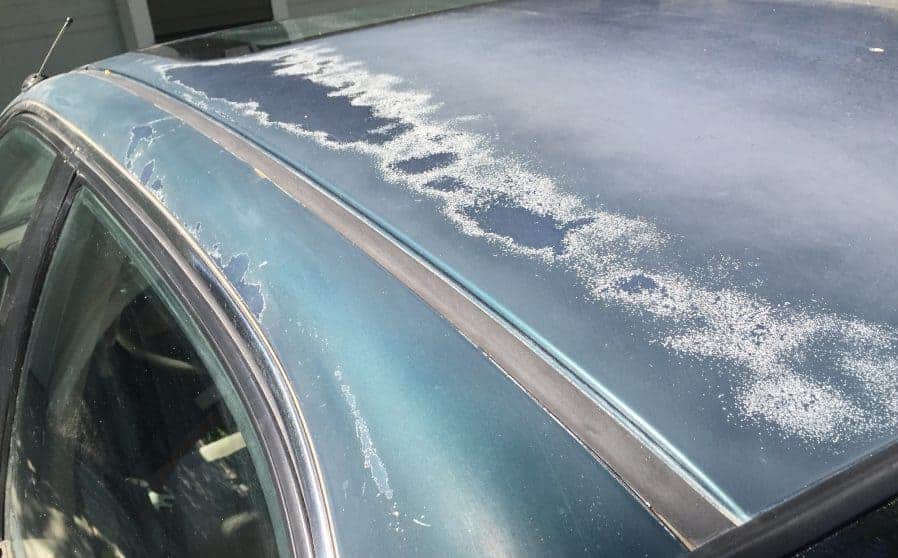
If the clear coat appears to require more than just a nuance of polishing compound and paint correction, near people volition hang up their DIY gloves, and turn toward a collision repair specialist. Repairing or replacing this transparent protective paint layer on one's own typically requires quite a flake of intendance and some course of familiarity with the discipline.
Fortunately, there are a handful of straightforward DIY steps that can exist taken prior to throwing-in the proverbial microfiber towel, and phoning the local paint repair job. While there surely are countless other preferred methods and materials used by professionals and DIYers alike, the following five clear coat repair steps are the widely accepted norm for most "rattle tin can" articulate coat fixes.
Step 1: Clean the Impacted Surface area
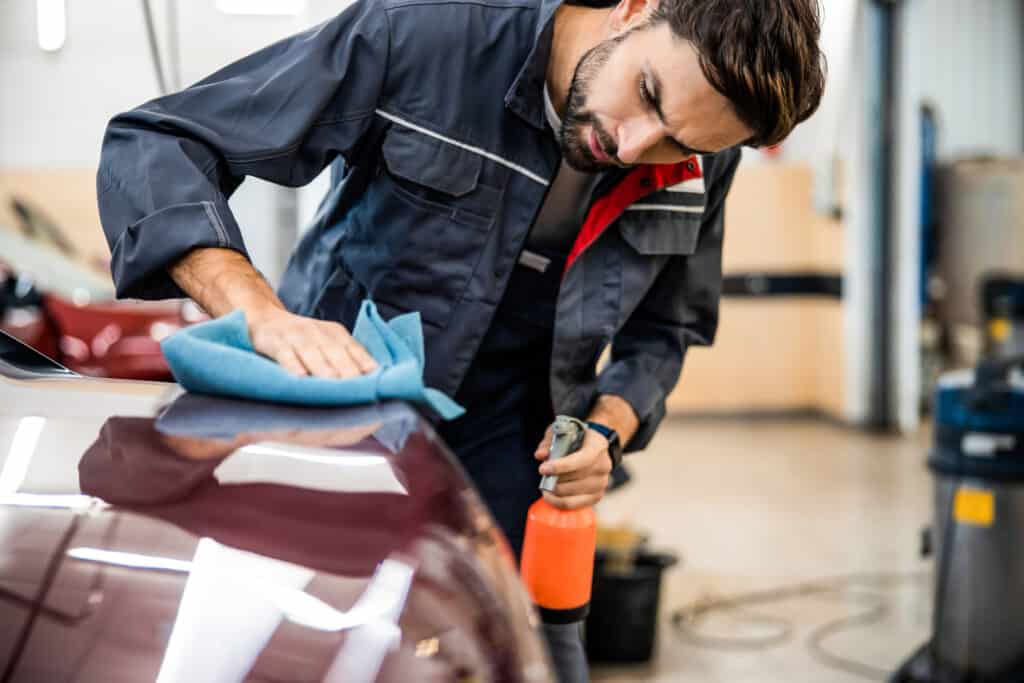
Before beginning any fix, it is always advisable to thoroughly clean the damaged surface area in question. Simply because you lot will exist removing the acme layer of the clear coat, doesn't mean that y'all tin skimp on the whole "disinfect and inspect" stage. Any number of underlying consequence could be lurking beneath a layer of grime or road salt. Exposing these bug prior to getting started will help preclude you having to go dorsum in and fix these maladies down the line.
Visually inspecting and determining the extent of damage is but i of the benefits to cleaning prep. Contaminants are forever quick to embed in articulate coats and pigmented layers of paint. This often will lead to oxidation, which is precisely what you are trying to eliminate and/or avoid in the first identify.
Washing the entire trunk panel or department of the vehicle in question is a good idea too. Don't only scrub the expanse where the clear glaze is beginning to pull-dorsum from the hood. Exist thorough, and wash the whole damn hood. The all-time way to accomplish this is by using the two-buckets-and-a-beer car washing technique. This time-proven approach relies upon a bucket of freshwater for rinsing subsequently each scrub, and a divide bucket of water that'south been spiked with a pH neutral automotive shampoo.
As for the beer, it'southward sole purpose is to provide "moral back up" and refreshment. So sip and savour, every bit you wick away any remaining moisture with a fluffy microfiber towel.
Pace 2: Inspect the Damage
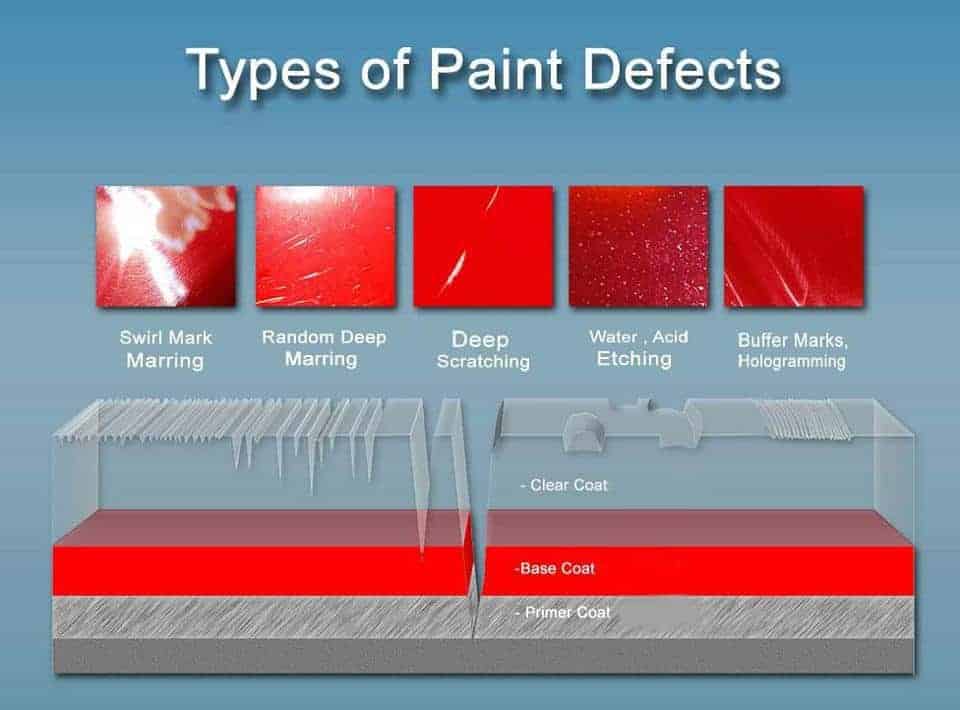
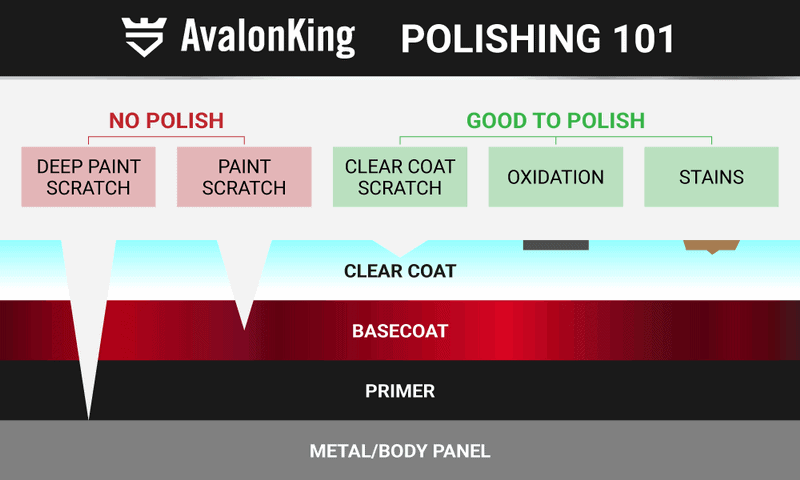
Next up, deport a detailed inspection of the paint damage. If the articulate coat is showing signs of peeling, then pigment correction via the use of a polishing/cut chemical compound is probably out of the question. Any damage that goes beyond oxidation typically requires removing the top layer of clear coat with sandpaper. This will exist an extremely labor intensive, progressive process, as removal is frequently completed via the utilise of sandpaper ranging in grit from 800 to 2,000 as it gets progressively milder.
Step three: Protect Thy Vehicle… and Thyself

Photo Credit: Micah Wright
Before you begin removing the articulate coat, you volition need to protect your vehicle and yourself. The dust that gets kicked-up by the sandpapering process gets everywhere, and being that it tends to exist highly abrasive, additional steps will demand to be taken in order to forestall information technology from being ground into other areas.
To protect the more pristine surrounding areas, applying painters tape and newspaper, or swaths of painter's masking paper will be necessary. Merely tape off the sections around the compromised clear glaze, and don't forget to slap on a dust mask to ensure that you lot don't inhale any of the grit from the scrubbing session that ensues. The same goes for when it comes time to spray the clear coat, as a professional grade respirator will both protect your lungs, and prevent any "cloudy-headed" mishaps from occurring.
Step 4: Remove That Crappy Old Articulate Coat
The consequence with correctly removing spot-damaged articulate coat, is that for as unproblematic every bit it sounds, the sanding process tends to be a painstakingly technical, boring job. A solid agreement of paint conditions, sandpaper grit progression, and appropriate levels of applied force all must be weighed. This is the stage of clear coat correction where most people will fuck-up and be forced to phone a friend, family member, or local torso repair shop for aid.
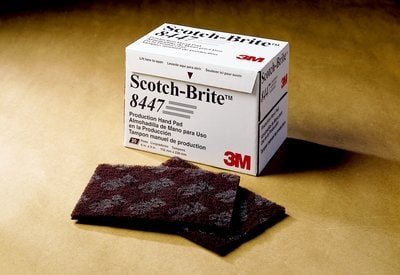
To cutting down on this risk of royally ruining your pigment job, plow toward a mid- to low-form "Scotch-Brite Manus Pad" for assistance instead. These synthetic, Silicon Carbide Mineral based scouring pads are an outstanding low-force per unit area alternative to sandpaper, and are known for being far more forgiving, all while producing a superior finish.
Just utilise the Scotch-Brite pad to scuff off whatever larger flakes or peeling, and then gradually brainstorm removing the top layer of damaged clear glaze, starting with the edges, and moving toward the center. Compromised articulate coat safely removed, use a microfiber cloth y'all don't requite a crap about to remove any dust or contaminants lingering effectually the expanse.
Footstep 5: Spray Some Fresh Articulate Glaze
Once the damaged clear coat in question has been removed, wipe all of the surfaces you plan on clear coating with a properly mixed isopropyl alcohol (IPA) blend. This will help guarantee that the area that'south about to get sprayed in clear coat is completely devoid of foreign contaminants and droppings.
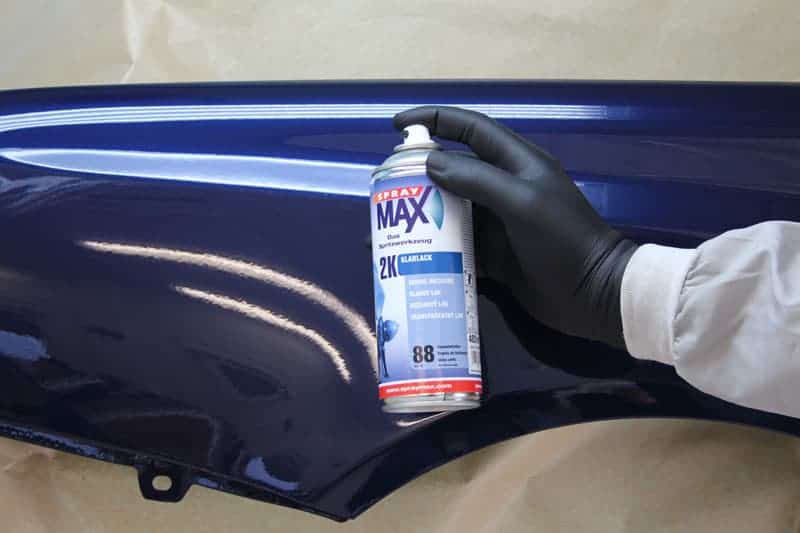
In one case wiped and stale, you will need to apply three (3) layers of articulate glaze. Composite clear coatings that contain a specialized hardening agent will assist cut application and curing times, and tin can be plant both online and in about professional paint supply stores. Many of these products besides tend to be scratch resistant and will outlive traditional clear coats. While traditional applications required the use of expensive machine paint application tools, brands like Spray Max and Rust-Oleum have fabricated clear coat touch-upward work a cinch cheers to the invention of rapid-drying aerosol applications.
For "rattle-tin" applications, follow these steps:
- Shake the can well for at least one (1) infinitesimal.
- Remove the activator and install it on the lesser of the tin can (if you're using an all-in-one composite clear coat and hardener, keep shaking for some other two (2) minutes.
- Apply the beginning glaze and allow information technology to dry.
- Complete this step three (3) times, following the suggested wait times betwixt coatings.
- One time the clear coat has been sprayed, wait a minimum of ii hours before removing the masking tape and/or paper.
- Wait at least 48 hours before proceeding to the concluding finishing step.
Step 6: Blend the Former With the New
Assuming yous just completed a unmarried section and non an unabridged console, blending the freshly sprayed clear coat with the older coating will be the concluding procedure.
This step requires the use of a variable speed polisher or rotary buffer, along with various microfiber buffing pads, and both medium and mild grade cut compounds. Past carefully moving the polisher in the direction that will blend the older clear coat into the new coating, y'all will exist able to mistiness the lines betwixt the two, and not impairment the fresh coating. Once blended to the point where the difference between old and new articulate coats becomes indistinguishable, towel everything off once more than with a microfiber material, and stand back to adore your handiwork.
Quick Nerd Notation: Traditionally, the method of wet-sanding with super fine sandpaper would be utilized at this point, a technique that allows far greater levels of control, but suffers in the time management section.
How to Reduce the Gamble of Articulate Coat Peeling
By this point information technology should be obvious that repairing peeling or damaged clear coats is a regal hurting in the ass. DIY articulate coat repair piece of work is also one of those fixes that runs the risk of turning into a hot mess if tackled past inexperienced hands. We're talking extreme levels of haggardly hot mess hither folks. A drunk uncle on a weekend bough in Reno with entirely too much cash sort of hot mess.
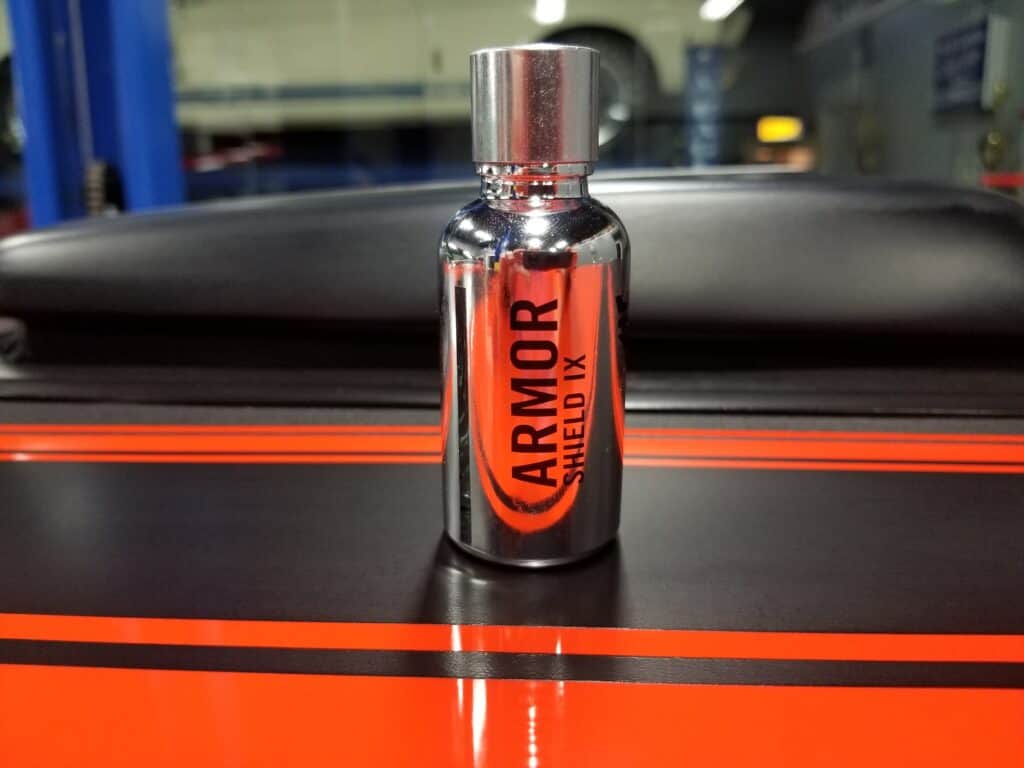
In gild to reduce the potential adventure of articulate glaze harm happening once more (or to protect their new car's crystal clear shine), more and more people accept begun applying 9H-rated nano ceramic coating to their vehicle's outside.
A high-quality DIY ceramic coating like Armor Shield Nine, will provide an ultra-thin, exceptionally potent layer of protection to almost any hard surface. Clear coats, paint, carbon fiber, aluminum, chrome, plastic, polycarbonate headlights, that jutting phallic hood decoration… if information technology's a hard surface, chances are a ceramic blanket can protect it.
Departing Shots
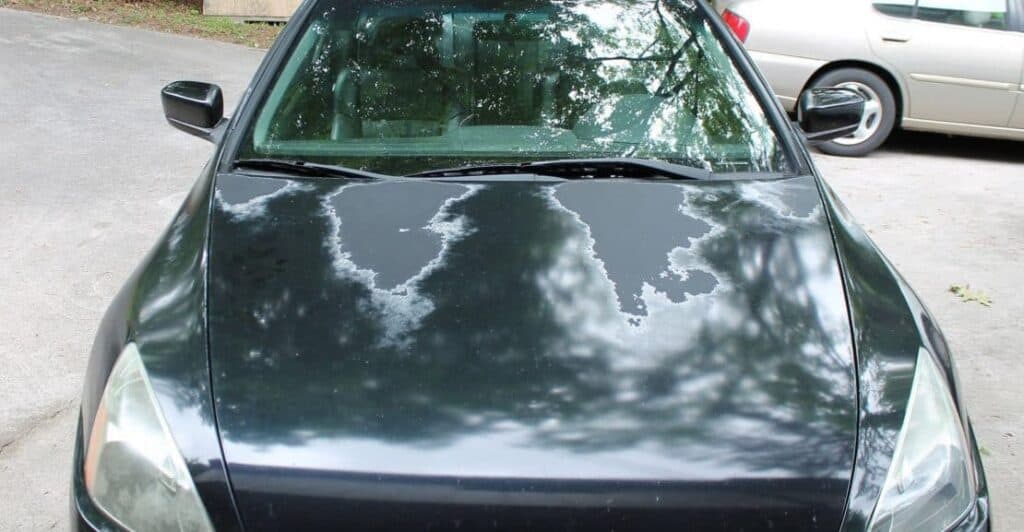
For as useful every bit they may be, and for as resilient equally they may seem, automotive clear coatings are far more frail and finnicky than most people call back. This is one of the primary reasons why so many people take begun to plow toward nano ceramic coatings for protection and peace of mind.
When properly practical to a clean surface, and and then routinely maintained, a 9H-rated ceramic blanket volition protect a good for you clear coat for anywhere from 2 to five years. No more worrying nigh birds, beasts, copse, or the elements shitting on your auto's clear coat. Just lustrous levels of shine, and unrivaled armor enhancements for that automobile'south transparent epidermis.
Then go ahead and skip all of those horrid hours of paint correction and attempted clear coat removal and repair regrets. Taking a proactive approach, and applying a DIY ceramic coating is the articulate answer when information technology comes to protecting your vehicle's pigment, and therefore the only question is: What'due south holding you back?
If yous enjoyed this article, then you'll beloved AvalonKing's automotive intendance products for Do-It-Yourselfers. Nosotros create "No B.S. products" for an affordable cost. And the best role, we treat our customers similar family unit, so if yous have whatsoever questions or only looking to chat virtually cars, we're only an email or call away. Cheque out our homepage here.

Source: https://avalonking.com/blog/causes-and-fixing-peeling-clear-coat/
Posted by: marquisvould1939.blogspot.com
0 Response to "How Can I Clean Up Acracked And No Clear Coat Root On My Toyota"
Post a Comment